
In today’s modern business environment and amidst the growing competition in the insurance industry, the concept of the Uberrima Fides Principle – also known as the “absolute good faith contract” – is regarded as essential. This article will help you understand this principle’s definition, application, and critical role in building trust and ensuring transparency in insurance contracts.
What is Uberrima Fides?
Definition and Origin
Uberrima Fides is an ancient Latin term meaning “ultimate honesty” or “absolute good faith.” In legal contexts and particularly in insurance, it refers to the highest ethical and legal standard that requires all parties to a contract to be completely honest, act in good faith, and fully disclose all important information related to the contract, regardless of whether the other party inquires.
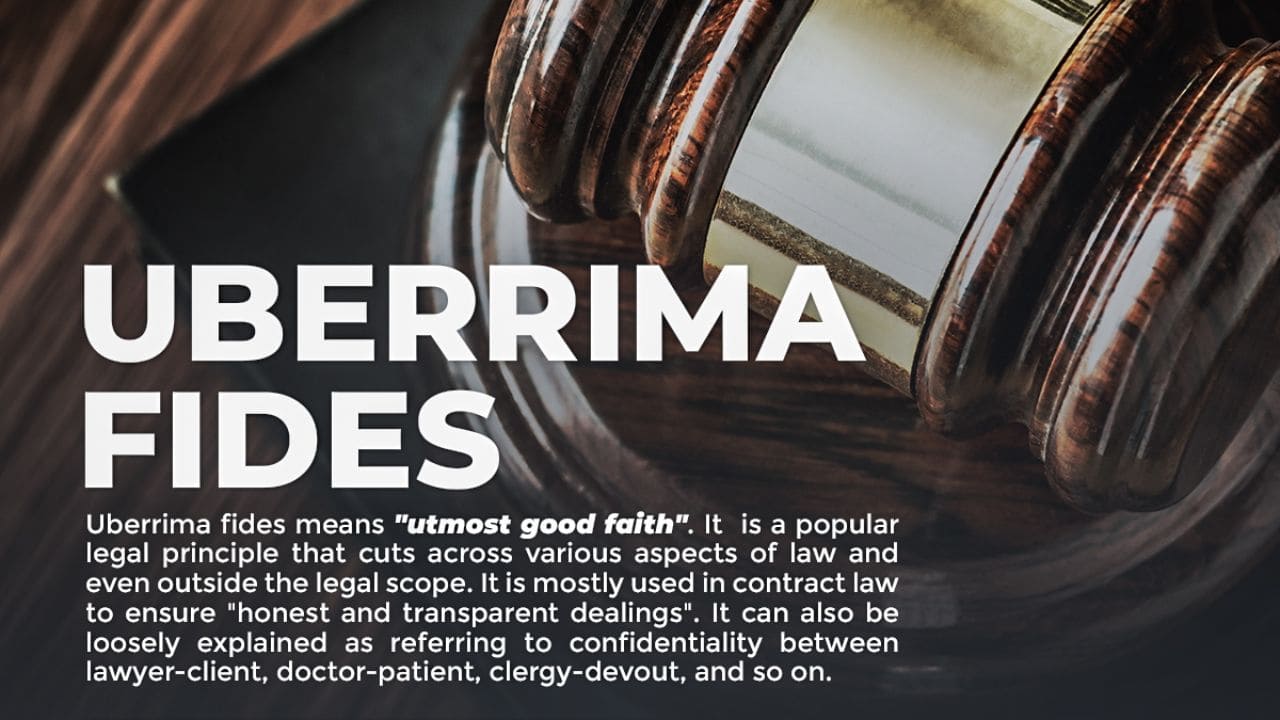
This principle originates from ancient Roman law and was later strongly developed in English law and other Common Law systems. It differs from the principle of Bona Fides (ordinary good faith), which merely requires the parties to be honest and not deceitful. Uberrima Fides goes a step further by demanding the proactive disclosure of information – even those details that might seem disadvantageous – if they could influence the other party’s decision. For this reason, it is also known as the “absolute good faith contract.”
Role and Benefits
In an insurance contract, Uberrima Fides means that both the policyholder (the insured) and the insurance company (the insurer) must act with complete honesty. The policyholder must accurately and fully declare all information regarding the insured object, potential risks, medical history (for life or health insurance), and so on.
Conversely, the insurance company must be transparent about the terms, conditions, benefits, and obligations within the contract without concealing or obscuring any information. This transparency not only helps prevent future disputes but also facilitates smoother resolutions when incidents occur.
- Transparency: Both the insurer and the insured are responsible for providing complete and honest information.
- Responsibility: Each party is committed to fulfilling its obligations.
- Reputation: Mutual trust among the contracting parties is enhanced.
Application in Law and Insurance
Legally, this principle is applied to ensure that every piece of relevant information is fully and truthfully disclosed when a contract is signed. In the insurance industry, the Uberrima Fides Principle plays a decisive role in determining the rights and obligations of all parties. Leading insurance companies such as Allianz, AIG, National Life Group, and Thinksmart Insurance emphasize this principle to build strong customer trust.
The Significance of Uberrima Fides in Business
- Impact on Customer Trust: Customer trust is a valuable asset for any business. By implementing the Uberrima Fides Principle, a company not only commits to transparency but also demonstrates accountability in every transaction. This creates a powerful impression, making customers feel secure and confident in the products or services offered.
- Building Brand Reputation: For any business, a strong brand reputation is not only a competitive advantage but also the foundation for sustainable growth. Adhering to the Uberrima Fides Principle helps create an image of professionalism, honesty, and reliability. Consistency in information transparency and adherence to ethical business practices will ensure that the brand is remembered and respected in the market.
Why is Uberrima Fides Important in Insurance Contracts?
The importance of Uberrima Fides in insurance contracts arises from the unique nature of these agreements:
- Asymmetric Information: The policyholder typically holds much more critical information about the risk than the insurer. For example, a life insurance policyholder is most aware of their own health condition and medical history. If such information is not fully and truthfully disclosed, the insurer cannot accurately assess the risk and make appropriate underwriting decisions.
- Based on Trust: An insurance contract is fundamentally an agreement based on trust. The insurer trusts the policyholder to provide honest information, and the policyholder trusts in the insurer’s ability and commitment to pay claims when an insured event occurs. A breach of honesty by either party undermines the very foundation of the contract.
- Nature of Risk: Insurance involves the transfer of risk from the policyholder to the insurer. Accurate risk assessment and management are the core of insurance operations. Honest disclosure is crucial for the insurer to manage this risk.
- Protection of Interests: Uberrima Fides safeguards the interests of both parties. For the insurer, it helps avoid unforeseen risks arising from inaccurate or concealed information. For the policyholder, it ensures that they receive their rightful benefits when an insured event occurs, based on a transparent and fair contract.
How to Apply Uberrima Fides in Insurance Contracts
To ensure the effective implementation of the Uberrima Fides Principle in insurance contracts, both the insured and the insurer must take specific actions:
For the Insured (Policyholder)
- Honest and Complete Disclosure: Answer every question in the insurance application accurately, without concealing any details, however minor they may seem.
- Thoroughly Understand the Contract: Read and fully understand all terms, conditions, benefits, obligations, and exclusions before signing the contract.
- Ask Questions When Necessary: If any aspect is unclear or if you have any doubts, proactively consult with an insurance advisor for detailed explanations.
For the Insurer (Insurance Company)
- Design Clear and Transparent Contracts: Use plain and easily understandable language, avoiding overly technical jargon.
- Provide Complete and Accurate Information: Ensure that customers receive all necessary details about the insurance product, including benefits, obligations, premiums, and exclusions.
- Offer Honest and Dedicated Advice: Train insurance advisors to provide honest, objective guidance that prioritizes the customer’s interests.
- Handle Claims and Complaints Fairly and Promptly: Establish transparent and equitable processes for resolving complaints to ensure that customer rights are protected.
Consequences of Violating the Uberrima Fides Principle
Breaching the Uberrima Fides Principle can result in severe consequences for both the policyholder and the insurer, depending on who is at fault and the severity of the breach.
For the Insured (Policyholder)
- Insurance Contract Declared Void: This is the most common and serious consequence. If the policyholder intentionally or inadvertently provides inaccurate, incomplete, or concealed critical information when entering the contract, the insurer has the right to declare the contract void ab initio. This means the contract loses its legal validity, and the policyholder forfeits all insurance benefits.
- Loss of Claim Benefits: Even if an insured event occurs, if the insurer discovers a breach of Uberrima Fides, it has the right to deny the claim. This implies that the policyholder must bear all resulting losses and expenses.
- Forfeiture of Paid Premiums: If the contract is voided due to the policyholder’s breach of Uberrima Fides, typically, the premiums paid will not be refunded.
- Damage to Reputation and Future Insurance Difficulties: A breach of Uberrima Fides can tarnish the policyholder’s reputation. Insurers may record this breach and refuse to provide coverage in the future.
- Potential Legal Action: In severe cases, insurance fraud resulting from a breach of Uberrima Fides may be deemed a legal violation, potentially leading to lawsuits by the insurer for damages or even criminal charges, depending on the jurisdiction.
For the Insurer (Insurance Company)
- Loss of Reputation and Customer Trust: If the insurer is not transparent, deliberately obscures information, or fails to fulfill contractual commitments, it will lose both reputation and customer trust. This can significantly impair its competitive position and long-term sustainability.
- Subject to Complaints and Litigation: The policyholder has the right to file complaints with regulatory authorities or initiate legal action against the insurer if it is found to have breached Uberrima Fides.
- Administrative Fines or License Revocation: Regulatory bodies may impose administrative penalties, including fines, suspension of operations, or even revocation of the insurer’s license for severe or systemic violations.
- Obligation to Compensate Customers: Courts may require the insurer to compensate the policyholder if it is determined that the insurer’s breach of Uberrima Fides caused harm.
- Impact on Brand Value: A breach of Uberrima Fides can seriously damage the insurer’s brand value and market reputation.
Conclusion
Uberrima Fides is the ethical cornerstone of the insurance industry. Upholding and emphasizing this principle is more important now than ever. It not only helps build a sustainable relationship between insurers and policyholders but also enhances the overall value and reputation of the insurance industry in the public eye.
If you are facing issues, have any questions regarding life insurance contracts, or are interested in tax-free life insurance and retirement programs, please call (678) 722 3447, send a message via Messenger, or leave a message at Support@Thinksmartinsurance.com for free 24/7 consultation.
FAQs
- How does Uberrima Fides differ from Bona Fides in insurance?
Both concepts relate to honesty, but Uberrima Fides (Absolute Good Faith) requires a higher standard than Bona Fides (Ordinary Good Faith). While Bona Fides only demands that parties do not lie, Uberrima Fides requires proactive disclosure of all significant information – even if not specifically requested – especially given the asymmetric nature of information in insurance contracts. - Is the Uberrima Fides Principle mandatory in all types of insurance contracts?
The Uberrima Fides Principle is a core and mandatory element in most insurance contracts, particularly in life, health, property, and other insurance types where risk is assessed based on the information provided by the policyholder. However, its application may vary depending on the type of insurance and the legal regulations of each country. - What are the legal consequences if a party breaches Uberrima Fides in an insurance contract?
A breach of Uberrima Fides can lead to severe legal consequences. If the policyholder provides fraudulent information, the insurance contract may be declared void, and the insurer may deny any claims. Conversely, if the insurer is not transparent or engages in deceit, the policyholder has the right to file complaints and pursue legal action to claim their benefits and compensation for damages. - How can one ensure compliance with Uberrima Fides when engaging in insurance?
To comply with Uberrima Fides, the policyholder should provide honest and complete information, fully understand the contract, and ask questions when needed. Meanwhile, the insurer must design transparent contracts, offer complete and accurate information, provide honest and dedicated advice, and resolve claims and complaints fairly. Both parties should cultivate a culture of honesty and transparency to ensure that the principle is effectively implemented.









 Thinksmart Insurance